
2018–2023 RAM 2500/3500 6.7 Cummins Air Temp and Boost Correlation
RAM 6.7 hot no-power needs valid air temps, cooler airflow, and boost graphing before turbo replacement. Turbo replaced for heat-soak power loss caused by cooler packaging or sensor faults is the most documented misdiagnosis on this platform.
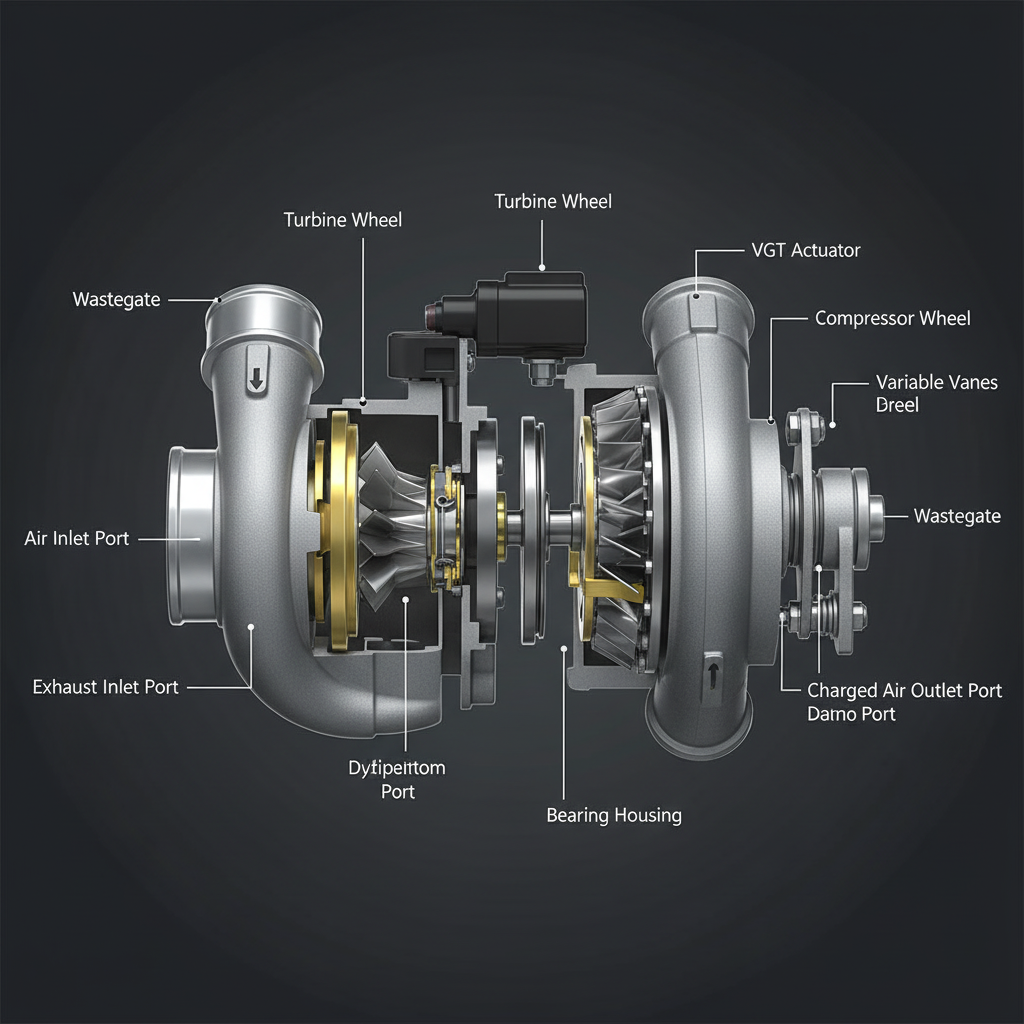
Fault Overview
This YMM page covers 6.7 Cummins no-power and heat complaints in 2018–2023 RAM 2500/3500 applications where IAT and CAC outlet temperatures and desired versus actual boost must be correlated before any turbo or actuator conclusions. Charge-air leaks, packed coolers, actuator or turbo response issues, false air-temp sensor faults, and intake duct heat ingestion are the primary causes.
Engine & Platform Coverage
Possible Causes
- 1.Debris-packed CAC or radiator package reducing cooler airflow
- 2.Charge-air leak at boots, clamps, or intercooler end-tanks
- 3.False air-temp sensor fault producing invalid IAT or CAC outlet data
- 4.Actuator response issue affecting boost control
- 5.Intake duct heat ingestion from underhood heat sources
Wiring & Circuit Notes
Validate IAT and CAC outlet temp sensors before any cooler or turbo conclusions — a false sensor reading can mimic a real thermal event. Inspect cooler package airflow after sensor validation. Charge-air leak test and boost graphing are required before any actuator or turbo conclusions.
DVOM Specs & Sensor Tests
Cold-soak IAT and CAC outlet temps should read near ambient. Under load, desired versus actual boost deviation identifies turbo or actuator response issues. A large desired-versus-actual boost gap with valid air temps and no charge-air leaks points to actuator or turbo hardware. Consult current OEM service literature by VIN for platform-specific specifications.
Diagnostic Flow — FSM Sequence
AI Diesel Tech enforces this evidence-gate sequence. Each gate must pass before advancing.
5 steps locked behind Technician Mode- 1Validate IAT and CAC outlet temp sensors — cold-soak near ambient, plausible rise under load
- 2Inspect cooler package airflow — clean debris from CAC and radiator faces
- 3Graph desired versus actual boost under load — document the deviation
- 4Charge-air leak test — boots, clamps, intercooler end-tanks
- 5Actuator position and response check if boost deviation persists after leak test
- 6Turbo replacement only with evidence after all preceding steps are complete
Unlock the full evidence-gated diagnostic sequence, DVOM test steps, and repair procedures in Technician Mode.
Repair Steps
4 steps locked- 1Validate IAT and CAC outlet temp sensors — cold-soak near ambient, plausible rise under load
- 2Inspect cooler package airflow — clean debris from CAC and radiator faces
- 3Graph desired versus actual boost under load — document the deviation
- 4Charge-air leak test — boots, clamps, intercooler end-tanks
- 5Actuator position and response check if boost deviation persists after leak test
- 6Turbo replacement only with evidence after all preceding steps are complete
Unlock full diagnostic steps, DVOM tests, and repair procedures.
Full Diagnostic Access
Verification steps, preventative measures, severity guidance, and legacy comparison are available in Technician Mode.
Start Diagnosing This Fault Now
AI Diesel Tech walks you through every evidence gate in the correct order. Choose the plan that fits your shop.
Related Resources
Related Systems
Related Fault Codes
Related Sensor Locations
Common Symptoms
Related Articles
AI Diesel Tech — The Technician's Diagnostic Engine
AI Diesel Tech diagnostic logic is built by an ASE Certified Diesel Technician and engineered for professional shop use. Trusted by technicians nationwide — used in shops, fleets, and training programs.
Summary
RAM 6.7 hot no-power diagnosis requires valid air temps, cooler airflow inspection, boost graphing, and leak testing before any turbo or actuator replacement.