
SPN 641 FMI 2 — Turbocharger Actuator Control Data Erratic
Erratic turbo actuator control needs hot electrical proof and mechanical freedom checks. Actuator replaced repeatedly while a heat-damaged pigtail remains is the most documented pattern. The FSM enforces electrical-mechanical-leak ordered isolation.
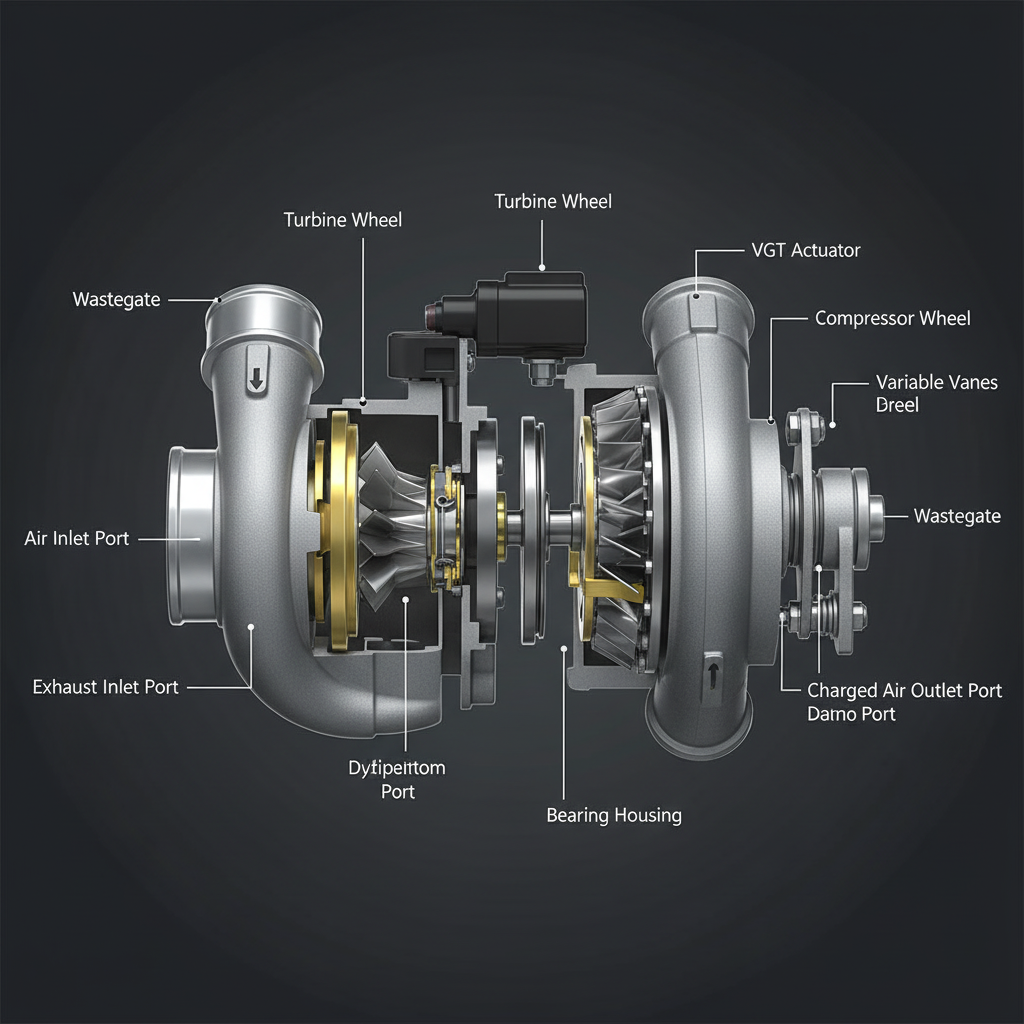
Fault Overview
SPN 641 FMI 2 indicates turbo actuator control data or response erratic. Harness intermittents, failing actuator, carbon binding varying with temperature, poor power feed, and connector fretting are the primary causes. Actuator replaced repeatedly while a heat-damaged pigtail remains is a documented pattern. Replacing the turbo for an actuator or harness fault is the most documented misdiagnosis pattern.
Engine & Platform Coverage
Symptoms
- •VGT actuator intermittent
- •Turbo actuator erratic
- •Boost swings from actuator fault
- •Intermittent underboost or overboost
- •High soot from unstable boost
Possible Causes
- 1.Harness intermittents — harness intermittents at actuator connector in turbo heat zone producing erratic control
- 2.Failing actuator — failing actuator electronics producing erratic control response
- 3.Carbon binding varying with temperature — carbon binding varying with temperature producing erratic response
- 4.Poor power feed — poor power feed producing erratic actuator control
- 5.Connector fretting — connector fretting producing intermittent signal
Diagnostic Flow — FSM Sequence
AI Diesel Tech enforces this evidence-gate sequence. Each gate must pass before advancing.
4 steps locked behind Technician Mode- 1Step 1 — Electrical Integrity Hot: Check electrical integrity while hot. Actuator connector at turbo heat zone with brittle insulation and pin tension is a documented cause. Actuator replaced repeatedly while a heat-damaged pigtail remains is a documented pattern. Inspect the actuator connector and pigtail for heat damage while hot.
- 2Step 2 — Position Graphing: Graph desired and actual actuator position. Watch for dropouts in desired vs actual position. Correlate with boost deviation events. An abrupt dropout in position feedback confirms an electrical fault. A slow deviation that correlates with temperature confirms a mechanical or carbon fault.
- 3Step 3 — Mechanical Freedom Check: Check mechanical freedom of the VGT actuator. Command the actuator through its full range and confirm position feedback matches commanded position. A VGT actuator that does not respond correctly confirms an actuator or mechanical fault.
- 4Step 4 — Boost Leak Test: Perform a boost leak test. A charge-air leak reducing actual boost below desired may produce erratic boost behavior that is misdiagnosed as an actuator fault. Pressurize the charge-air system and inspect for leaks.
- 5Step 5 — Replace Actuator or Turbo Only With Evidence: Replace the actuator or turbo only with evidence. Confirm harness, pigtail, and circuit integrity before any actuator replacement. Replace the turbo only if geometry is seized after all other causes are eliminated.
Unlock the full evidence-gated diagnostic sequence, DVOM test steps, and repair procedures in Technician Mode.
Repair Steps
2 steps locked- 1Repair harness or pigtail if heat damage is confirmed.
- 2Replace actuator if failure is confirmed after circuit proof.
- 3Repair charge-air leak if found.
- 4Replace turbo only if geometry is seized after all other causes are eliminated.
Unlock full diagnostic steps, DVOM tests, and repair procedures.
Full Diagnostic Access
Verification steps, preventative measures, severity guidance, and legacy comparison are available in Technician Mode.
Start Diagnosing This Fault Now
AI Diesel Tech walks you through every evidence gate in the correct order. Choose the plan that fits your shop.
Related Resources
Related Fault Codes
Related Systems
Related Fault Codes
Related Sensor Locations
Common Symptoms
Related Articles
AI Diesel Tech — The Technician's Diagnostic Engine
AI Diesel Tech diagnostic logic is built by an ASE Certified Diesel Technician and engineered for professional shop use. Trusted by technicians nationwide — used in shops, fleets, and training programs.
Summary
Erratic turbo actuator control needs hot electrical proof and mechanical freedom checks. The AI Diesel Tech FSM enforces electrical-mechanical-leak ordered isolation.