
SPN 4360 FMI 0 — SCR Intermediate Temperature Above Normal
High SCR intermediate temperature is verified by correlating multiple exhaust temperature sensors and physical measurement before any sensor is replaced.
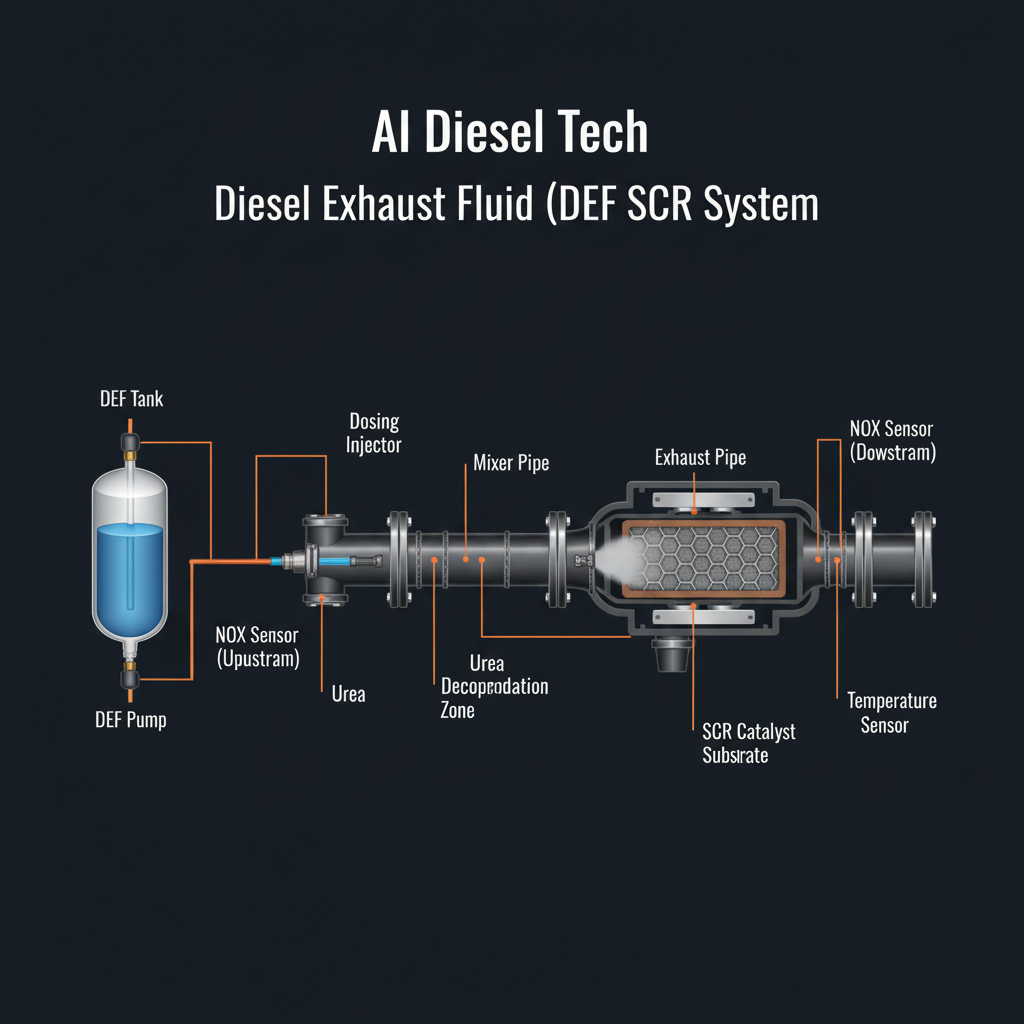
Fault Overview
SPN 4360 is the SCR Intermediate (mid-bed) Temperature. FMI 0 sets when the measured temperature exceeds the calibrated high threshold during normal operation or aftertreatment control. The ECM uses this sensor for dosing enable, efficiency calculations, and catalyst protection.
Engine & Platform Coverage
Symptoms
- •SCR intermediate temp high
- •SCR mid bed overtemp
- •SPN 4360 FMI 0
- •SCR temperature above normal
- •Aftertreatment overheat SCR
Possible Causes
- 1.Actual high exhaust temperature from engine issues (high load, restricted DOC/DPF, delayed injection)
- 2.Failed temperature sensor reading high
- 3.Wiring short to power or open on a pull-up circuit
- 4.Exhaust leak allowing ambient influence
- 5.Incorrect sensor installation
- 6.Software calibration mismatch after module replacement
Wiring & Circuit Notes
Inspect the intermediate temperature sensor connector for corrosion, heat damage, and pin tension. Check the signal wire for short to power or open circuit. Verify sensor ground and any shared reference circuits. Look for harness routing too close to exhaust hot zones.
DVOM Specs & Sensor Tests
Most SCR temperature sensors are thermistors or thermocouples. Resistance or voltage should correspond to a temperature chart (typically decreasing resistance with rising temperature for NTC thermistors). Compare scan-tool reading to an infrared or contact measurement at the sensor boss when possible.
Diagnostic Flow — FSM Sequence
AI Diesel Tech enforces this evidence-gate sequence. Each gate must pass before advancing.
6 steps locked behind Technician Mode- 1Step 1 — Record Freeze-Frame Data: Record freeze-frame data: engine load, DOC inlet/outlet temps, DPF temps, SCR inlet and intermediate temps, dosing status.
- 2Step 2 — Compare Intermediate Temperature to SCR Inlet and Outlet: Compare intermediate temperature to SCR inlet and outlet under steady conditions. A sensor reading high while neighbors are normal confirms a sensor or wiring fault rather than a true overtemp.
- 3Step 3 — Perform Infrared or Probe Measurement at the Sensor Location: Perform infrared or probe measurement at the sensor location if accessible. Physical verification is the definitive check before sensor replacement.
- 4Step 4 — Measure Sensor Resistance or Voltage vs OEM Temperature Chart: Measure sensor resistance or voltage and compare to OEM temperature chart. Open circuit often reads extremely high temperature; short to ground reads low or zero.
- 5Step 5 — Check Wiring for Short to Power or Open: Check wiring for short to power or open. Inspect harness routing near exhaust hot zones that can melt insulation.
- 6Step 6 — Inspect for Exhaust Leaks Upstream: Inspect for exhaust leaks upstream of the sensor. Leaks can introduce ambient air and skew temperature readings.
- 7Step 7 — Replace Sensor Only After Correlation Fails: Replace sensor only after correlation and physical verification confirm the sensor is at fault.
Unlock the full evidence-gated diagnostic sequence, DVOM test steps, and repair procedures in Technician Mode.
Full Diagnostic Access
Verification steps, preventative measures, severity guidance, and legacy comparison are available in Technician Mode.
Typical Repair Costs
Repair exhaust leak $100–400; repair wiring or connector $100–300; replace failed temperature sensor $120–450 including labor; higher if exhaust hardware is required.
Start Diagnosing This Fault Now
AI Diesel Tech walks you through every evidence gate in the correct order. Choose the plan that fits your shop.
Related Systems
Related Fault Codes
Related Sensor Locations
Common Symptoms
Related Articles
AI Diesel Tech — The Technician's Diagnostic Engine
AI Diesel Tech diagnostic logic is built by an ASE Certified Diesel Technician and engineered for professional shop use. Trusted by technicians nationwide — used in shops, fleets, and training programs.
Summary
Use the AI Diesel Tech diagnostic engine to run this code through a structured, evidence-gated sequence and get a confirmed root cause before any parts are replaced.