
SPN 2629 FMI 0 — Turbocharger Compressor Inlet Temperature Above Normal
High compressor inlet temp is often duct sealing or sensing, not automatic turbo failure. Missing air cleaner seals recirculating engine-bay heat are the most documented pattern. The FSM enforces hot-air ingestion diagnosis before turbo hardware conclusions.
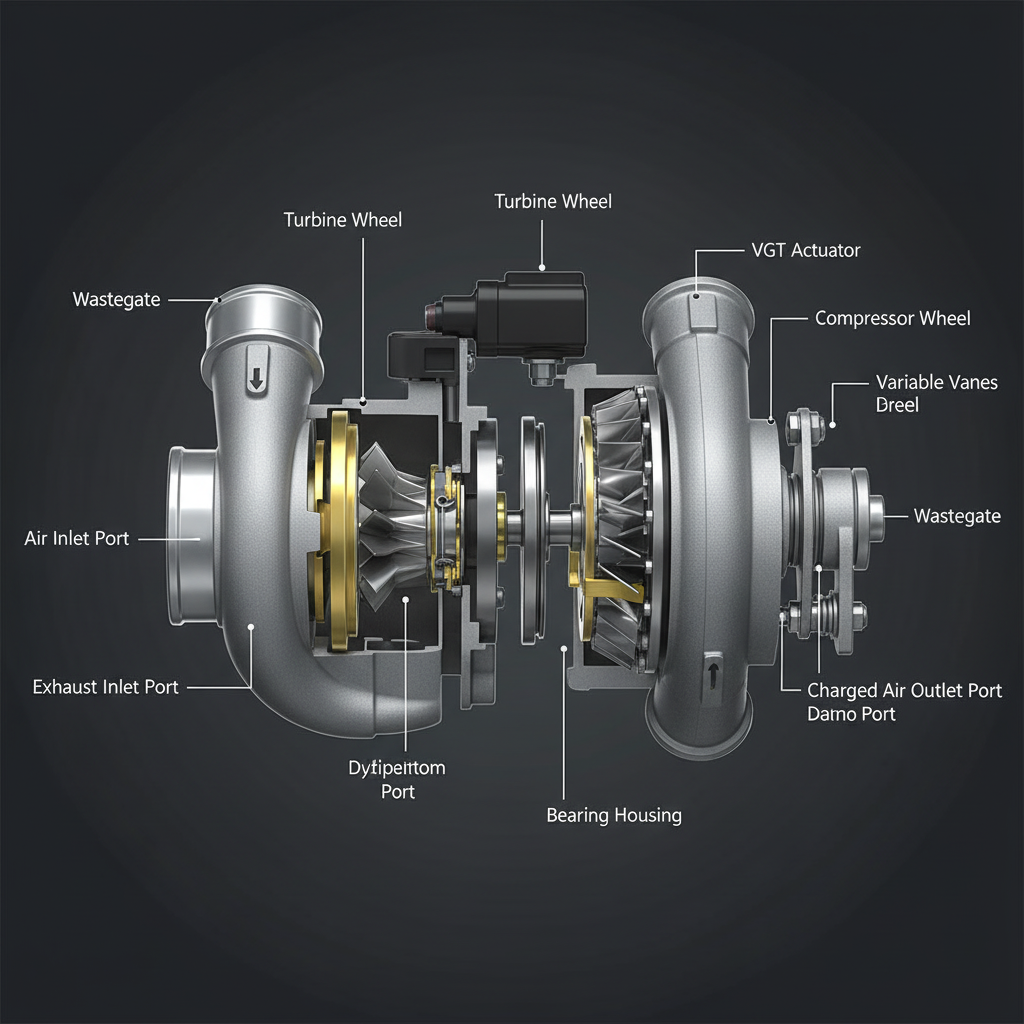
Fault Overview
SPN 2629 FMI 0 indicates compressor inlet temperature above the calibrated limit. Hot-air reversion from poor duct sealing, engine-bay heat soak, restricted fresh-air path, sensor bias high, and extreme ambient load are the primary causes. Missing air cleaner seals recirculating engine-bay heat are a documented pattern. Pursuing turbo hardware conclusions for a duct sealing or sensor fault is the most documented misdiagnosis pattern.
Engine & Platform Coverage
Symptoms
- •Turbo inlet air temp high
- •Compressor inlet overtemp
- •Hot air ingestion turbo
- •Derate intake temp
- •Power loss in heat from inlet temp fault
Possible Causes
- 1.Hot-air reversion from poor duct sealing — poor duct sealing allowing hot engine-bay air to recirculate to compressor inlet
- 2.Engine-bay heat soak — engine-bay heat soak producing elevated inlet temperature
- 3.Restricted fresh-air path — restricted fresh-air path producing elevated inlet temperature
- 4.Sensor bias high — sensor bias high producing false above-normal reading
- 5.Extreme ambient load — extreme ambient temperature and load producing elevated inlet temperature
Diagnostic Flow — FSM Sequence
AI Diesel Tech enforces this evidence-gate sequence. Each gate must pass before advancing.
4 steps locked behind Technician Mode- 1Step 1 — Sensor Correlation to Ambient: Correlate the sensor reading to ambient temperature. Cold soak near ambient is expected. A large offset between the sensor reading and ambient supports a sensor fault. Rising far above ambient at speed suggests ducting or heat issues.
- 2Step 2 — Inspect Air Filter Housing Seals: Inspect air filter housing seals. Missing air cleaner seals recirculating engine-bay heat are a documented pattern. Inspect the air filter housing seals for missing, damaged, or improperly seated seals. Replace seals if missing or damaged.
- 3Step 3 — Duct Integrity Check: Check duct integrity. Inspect the intake ducting from the air filter to the compressor inlet for cracks, loose connections, and missing seals. A duct integrity fault allowing hot engine-bay air to recirculate requires duct repair.
- 4Step 4 — Cooling Package Airflow Around Inlet Path: Evaluate cooling package airflow around the inlet path. A debris-packed cooling package reducing airflow around the inlet path produces elevated inlet temperature. Inspect the cooling package for debris and restriction.
- 5Step 5 — Sensor Replacement After Proof: Replace the sensor after proof of sensor fault. Confirm duct sealing and inlet path integrity before any sensor replacement. A sensor replaced without proof may replace a good sensor into a duct or heat fault.
Unlock the full evidence-gated diagnostic sequence, DVOM test steps, and repair procedures in Technician Mode.
Repair Steps
2 steps locked- 1Replace air filter housing seals if missing or damaged.
- 2Repair duct integrity if duct fault is confirmed.
- 3Clean cooling package if debris restriction is confirmed.
- 4Replace sensor if sensor fault is confirmed after duct and path proof.
Unlock full diagnostic steps, DVOM tests, and repair procedures.
Full Diagnostic Access
Verification steps, preventative measures, severity guidance, and legacy comparison are available in Technician Mode.
Start Diagnosing This Fault Now
AI Diesel Tech walks you through every evidence gate in the correct order. Choose the plan that fits your shop.
Related Resources
Related Fault Codes
Related Systems
Related Fault Codes
Related Sensor Locations
Common Symptoms
Related Articles
AI Diesel Tech — The Technician's Diagnostic Engine
AI Diesel Tech diagnostic logic is built by an ASE Certified Diesel Technician and engineered for professional shop use. Trusted by technicians nationwide — used in shops, fleets, and training programs.
Summary
High compressor inlet temp is often duct sealing or sensing, not automatic turbo failure. The AI Diesel Tech FSM enforces hot-air ingestion diagnosis before turbo hardware conclusions.