
SPN 101 FMI 0 — Crankcase Pressure Above Normal
High crankcase pressure is CCV path and measured blowby diagnosis first. Engine rebuilds performed for a plugged CCV path — and CCV-only replacement while true engine wear remained — are both documented misdiagnoses.
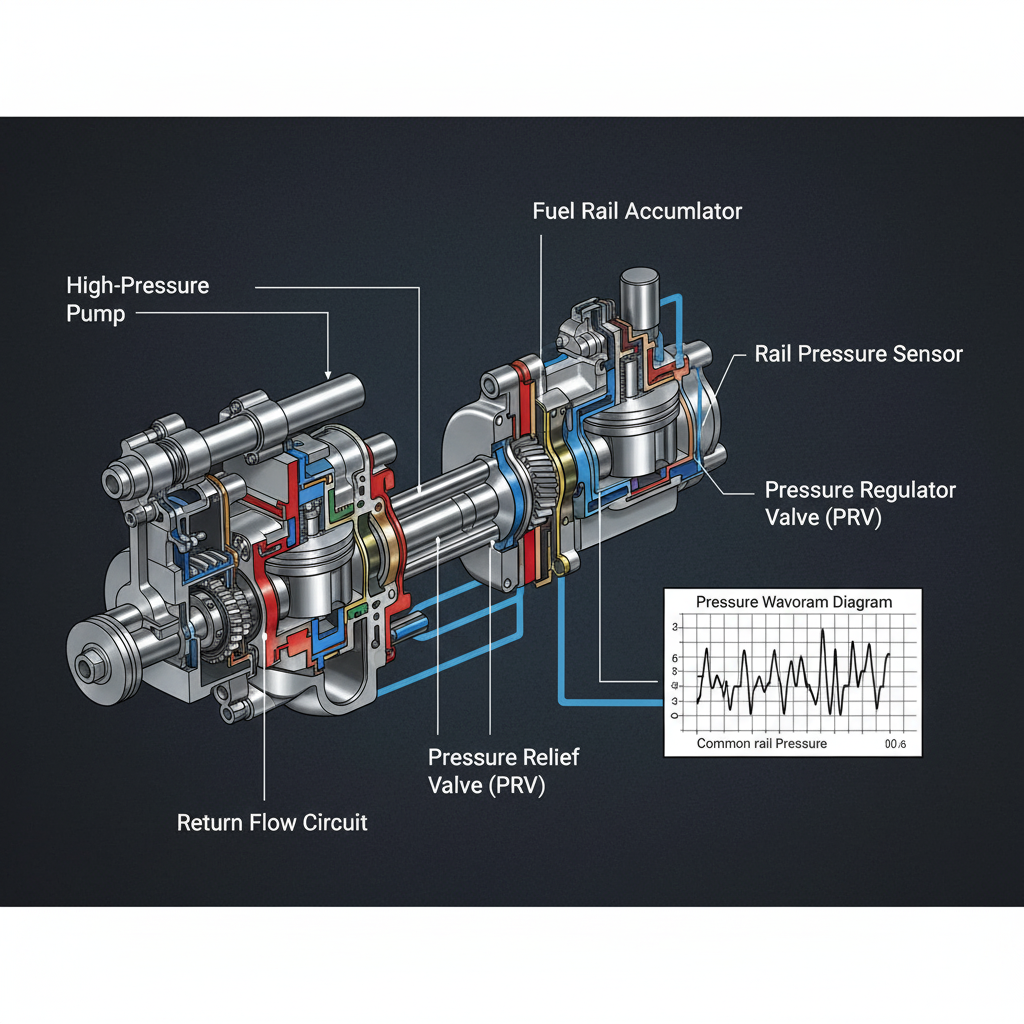
Fault Overview
SPN 101 FMI 0 indicates crankcase pressure is above the calibrated maximum. Restricted CCV or breather path, turbo seal contribution, worn rings or liners, sensor bias high, and plugged orifice or hose are the primary causes. The CCV ventilation path must be inspected and proven clear before any internal engine wear conclusions are drawn.
Engine & Platform Coverage
Possible Causes
- 1.Restricted CCV or breather path from soot and oil accumulation
- 2.Plugged CCV orifice or hose
- 3.Turbo seal contribution adding to crankcase pressure
- 4.Worn rings or liners producing excessive blowby
- 5.Crankcase pressure sensor bias high producing false readings
- 6.Oil overfill causing aeration and elevated pressure
Wiring & Circuit Notes
Sensor circuit proof is appropriate when readings conflict with physical symptoms. However, physical CCV path inspection and blowby measurement are required before any internal engine wear conclusions — sensor electrical proof does not replace physical inspection.
DVOM Specs & Sensor Tests
Inspect the CCV and breather path first. Check oil level for overfill. Measure crankcase pressure if possible — compare to OEM specification. Sensor electrical proof when readings conflict with physical symptoms. Evaluate turbo contribution by checking for oil in the intake path. Quantify blowby before any major internal conclusions — blowby measurement is required before ring or liner decisions.
Diagnostic Flow — FSM Sequence
AI Diesel Tech enforces this evidence-gate sequence. Each gate must pass before advancing.
6 steps locked behind Technician Mode- 1Inspect CCV and breather path — check for soot and oil accumulation
- 2Check oil level for overfill
- 3Sensor and hose circuit proof if readings conflict with physical symptoms
- 4Evaluate turbo contribution — check for oil in intake path
- 5Measure crankcase pressure and compare to OEM specification
- 6Quantify blowby before any ring or liner conclusions
- 7Major internal repairs only with measured blowby evidence
Unlock the full evidence-gated diagnostic sequence, DVOM test steps, and repair procedures in Technician Mode.
Repair Steps
5 steps locked- 1Inspect CCV and breather path — check for soot and oil accumulation
- 2Check oil level for overfill
- 3Sensor and hose circuit proof if readings conflict with physical symptoms
- 4Evaluate turbo contribution — check for oil in intake path
- 5Measure crankcase pressure and compare to OEM specification
- 6Quantify blowby before any ring or liner conclusions
- 7Major internal repairs only with measured blowby evidence
Unlock full diagnostic steps, DVOM tests, and repair procedures.
Full Diagnostic Access
Verification steps, preventative measures, severity guidance, and legacy comparison are available in Technician Mode.
Start Diagnosing This Fault Now
AI Diesel Tech walks you through every evidence gate in the correct order. Choose the plan that fits your shop.
Related Resources
AI Diesel Tech — The Technician's Diagnostic Engine
AI Diesel Tech diagnostic logic is built by an ASE Certified Diesel Technician and engineered for professional shop use. Trusted by technicians nationwide — used in shops, fleets, and training programs.
Summary
SPN 101 FMI 0 is CCV path inspection and measured blowby diagnosis first. Internal engine conclusions require measured blowby evidence.